Pelvic Health Resource Center
Evidence-based articles, research summaries, and practical guides for optimal pelvic floor health.
Hypertonic Pelvic Floor: 12 Symptoms, Causes & 7 Relaxation Exercises
A too-tight pelvic floor causes pelvic pain, painful sex, and urinary urgency — the opposite of weakness. Learn the 12 symptoms and 7 evidence-based relaxation exercises.
Read article →
Pelvic Organ Prolapse: Stages 1–4, Symptoms & What You Can Do
Pelvic organ prolapse affects up to 50% of women who have given birth. Learn the 4 types, POP-Q staging, and which stages can be managed without surgery.
Read article →
Overactive Bladder Exercises: Calm Urgency in 4 Weeks
Overactive bladder causes sudden urges and frequent bathroom trips. The urge suppression technique + bladder training + pelvic floor exercises reduce urgency by up to 70%.
Read article →
Cystocele Treatment Without Surgery: 6-Month Recovery Protocol
Stage 1–2 bladder prolapse can often be managed without surgery. Learn the 6-month conservative protocol endorsed by ACOG — including pessary options and exercise progression.
Read article →
Pudendal Neuralgia: Symptoms, Causes & At-Home Relief
Burning or stinging pelvic pain that worsens when sitting? Learn the 5 Nantes criteria for pudendal neuralgia and 6 at-home relief techniques backed by clinical research.
Read article →
Pelvic Floor for Runners: Stop Leaking on Long Runs
Up to 41% of female runners experience urinary leakage. Learn the Knack technique, 3 form adjustments, and a 6-week pelvic floor program that stops leakage on runs.
Read article →
Kegel Exercises for Erectile Dysfunction: Clinical Evidence & Protocol
40% of men with ED saw significant improvement with pelvic floor exercises alone. Learn the Dorey protocol — the evidence-based program used in NHS clinics.
Read article →Kegel Exercises for Premature Ejaculation: 82.5% Improved in 12 Weeks
A 2014 clinical trial found 82.5% of men improved with pelvic floor training — average IELT rising from 32 to 146 seconds. Learn the exact 3-phase protocol.
Read article →Kegel Exercises After Prostatectomy: Week-by-Week Recovery Guide
Men who start pelvic floor exercises before prostatectomy regain continence 2–3x faster. Follow the week-by-week protocol endorsed by the American Urological Association.
Read article →Tight Pelvic Floor in Men: 10 Symptoms & How to Release It
Pelvic tightness causes pelvic pain, urgency, incomplete emptying, and sexual dysfunction in men. Learn 10 symptoms and why Kegels can make it worse.
Read article →Chronic Pelvic Pain Syndrome in Men: Why Antibiotics Fail & What Works
CPPS affects 90–95% of men diagnosed with prostatitis. Antibiotics fail because it is rarely bacterial. The Wise-Anderson Protocol cuts pain scores by 50–80%.
Read article →
How to Do Kegel Exercises: The Complete Step-by-Step Guide
Learn exactly how to do kegel exercises correctly — step-by-step instructions for women and men, common mistakes, and the ACOG-recommended training protocol.
Read article →
Kegel Exercises for Bladder Control: Clinical Evidence & Protocol
70–75% of women who follow the kegel protocol see cure or significant improvement in bladder leakage. Endorsed by ACOG, NHS, and AUA as first-line treatment.
Read article →
How Long Do Kegel Exercises Take to Work? Week-by-Week Timeline
Most people see bladder control improvement within 4–6 weeks. See the complete week-by-week results timeline backed by clinical research.
Read article →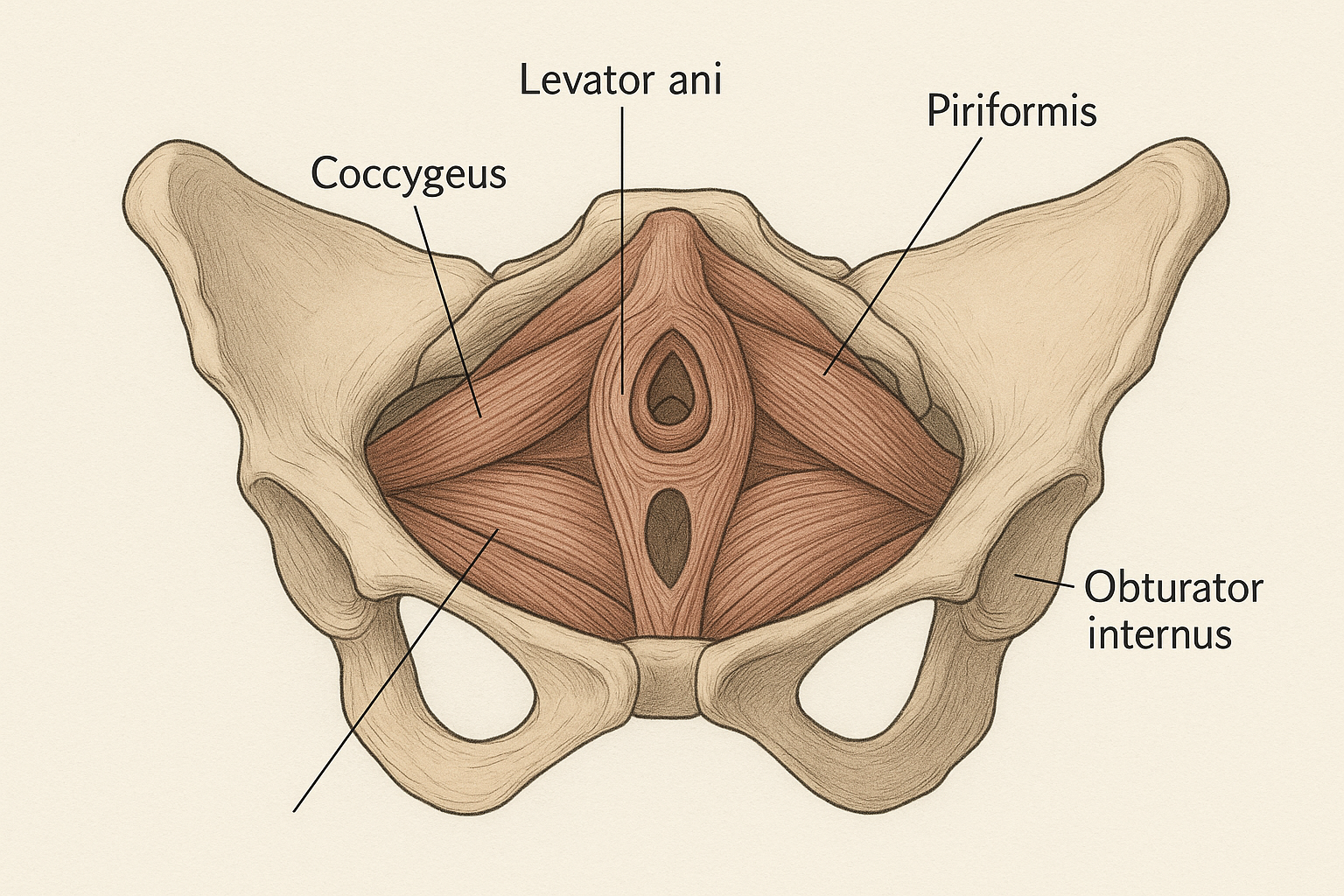
Understanding Your Pelvic Floor Muscles: Anatomy and Function
Learn about the structure and importance of pelvic floor muscles and their role in supporting pelvic organs.
Read article →Pelvic Floor FAQ: Everything You Need to Know About Kegel Exercises
Get answers to the most common questions about pelvic floor health, exercises, dysfunction, and treatment.
Read article →
Complete Guide to Reverse Kegel Exercises
Learn how to properly perform reverse Kegels to relax tight pelvic floor muscles and create balance in your pelvic health routine.
Read article →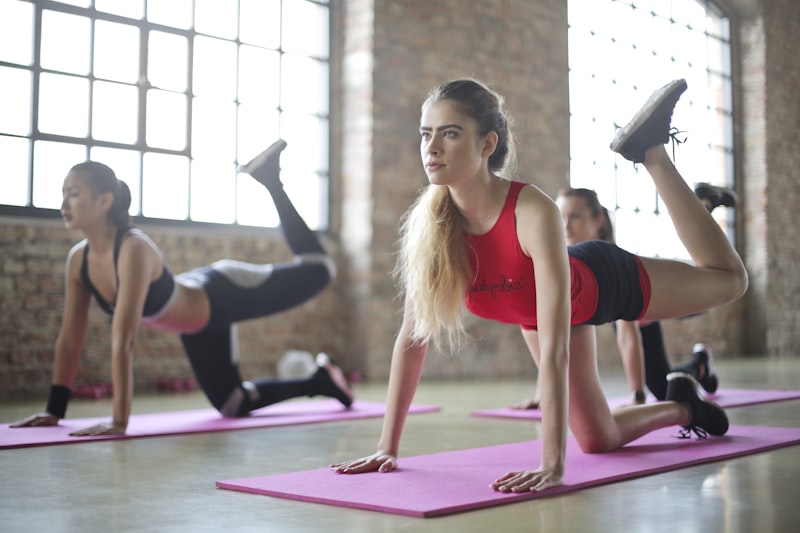
The Scientific Benefits of Regular Kegel Exercises
Research-backed benefits of pelvic floor training for both men and women across different life stages.
Read article →
Postpartum Pelvic Floor Recovery: A Complete Guide
Learn how to regain pelvic floor strength after childbirth with expert-backed exercise programs and recovery timelines.
Read article →Men's Pelvic Health: Breaking the Stigma
Addressing common pelvic floor issues in men and how targeted exercises can help with prevention and treatment.
Read article →Looking for a specific topic? Browse our categories or use the search function.